Startup, Full-stack
Harvest Tracking System: where META5 and ANODA started
A student hackathon project that became a startup, a pilot on a vineyard and a European top 10 agri-tech innovation.
- Company
- META5 (co-founder)
- Year
- 2016 to 2018
- My role
- Co-founder, front-end (web application and display UI)
- First partner
- Hercegovinalijek (vineyard operations)
- Recognition
- CityOS Hackathon winner (INTERA, Mostar) · INTERA incubator · KaTaNa top 100 (Stuttgart bootcamp) · Heidelberg Innovation Forum 2017, top 10 agri-sector innovations in Europe · PODIM conference
- Press
- Klix.ba, INTERA, BHT1
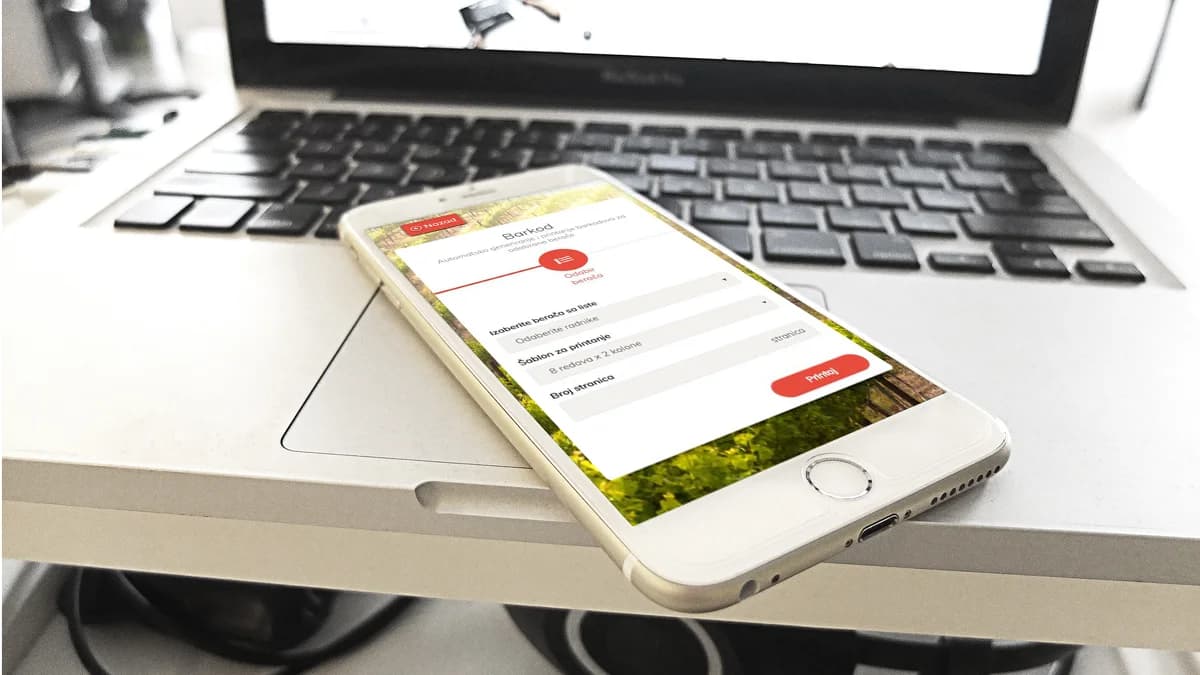
The problem
On fruit and vegetable plantations, the work of pickers was tracked by hand: who picked how much, on which day, in which field. That was slow and error-prone, and it made fair pay by output almost impossible.
The idea behind the Harvest Tracking System was simple: identify every crate, record who filled it and who processed it, and turn that into pay based on output instead of hourly wages, with analytics the owner can trust.
What we built
Each crate is identified by a unique code (barcodes in the first version). When crates are processed in the warehouse, scanners capture the picker and the processor and send the data to hardware devices installed on site. From there everything goes to the backend, which feeds two applications.
Crate
Unique code per picker (barcodes in the first version)
Scanner
In the warehouse, when the crate is processed
Hardware device
Installed on site, collects the scans
My part: Display UIBackend
Stores every crate, picker and processor
Worker mobile app
Each picker sees their own performance
- My part:
Owner web dashboard
Analytics across pickers, fields and days
My part
My part
I was one of four co-founders. I built the front-end: the web application where plantation owners follow the work and the display interface used on site. My teammates built the hardware, the mobile app and the back-end.
Team
Faris Seferagić
Cazin
Hardware
Anes Mehagić
Cazin
Mobile application
Alem TatarevićMe
Cazin
Front-end
Mirsad Halilčević
Živinice
Back-end
Four second-year students of the Faculty of Information Technologies in Mostar, as reported by Klix.ba.
From hackathon to startup
- Autumn 2016Autumn 2016
CityOS Hackathon, first place
First place at the hackathon at INTERA Technology Park, Mostar.
INTERA business incubator
INTERA Technology Park becomes the main institutional supporter.
- 20172017
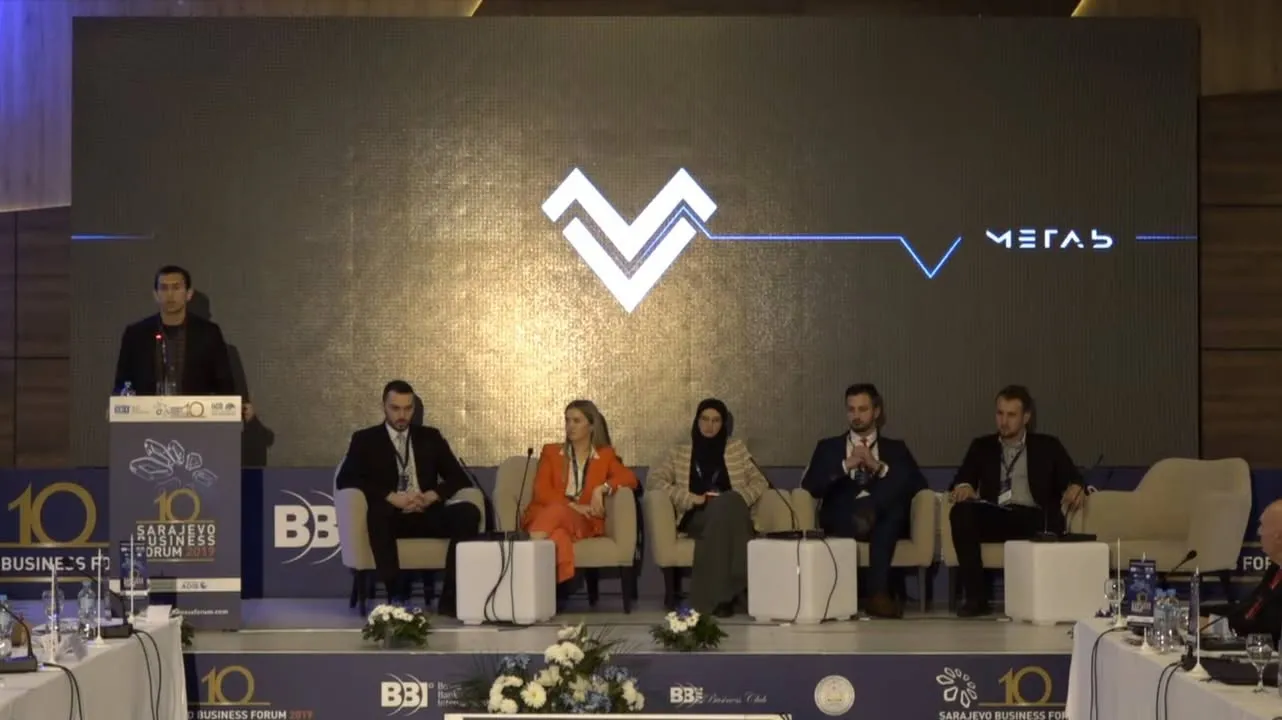
Heidelberg Innovation Forum
Selected among the top 10 agri-sector innovations in Europe.
KaTaNa top 100
Selected among the top 100 applicants of the KaTaNa startup support programme, with a bootcamp in Stuttgart.
PODIM conference
The system is presented at the PODIM conference.
First partner: Hercegovinalijek
The system is piloted in vineyard operations.
- January 2018January 2018
In the press
Klix.ba reports on the system; BHT1 follows with a TV report in February.
- 20182018
META5 d.o.o.
The startup becomes a company.
- 20212021
META5 becomes ANODA
I continue the work through my own company.
META5 is where my company path started. In 2021 the work continued under my own company, ANODA.
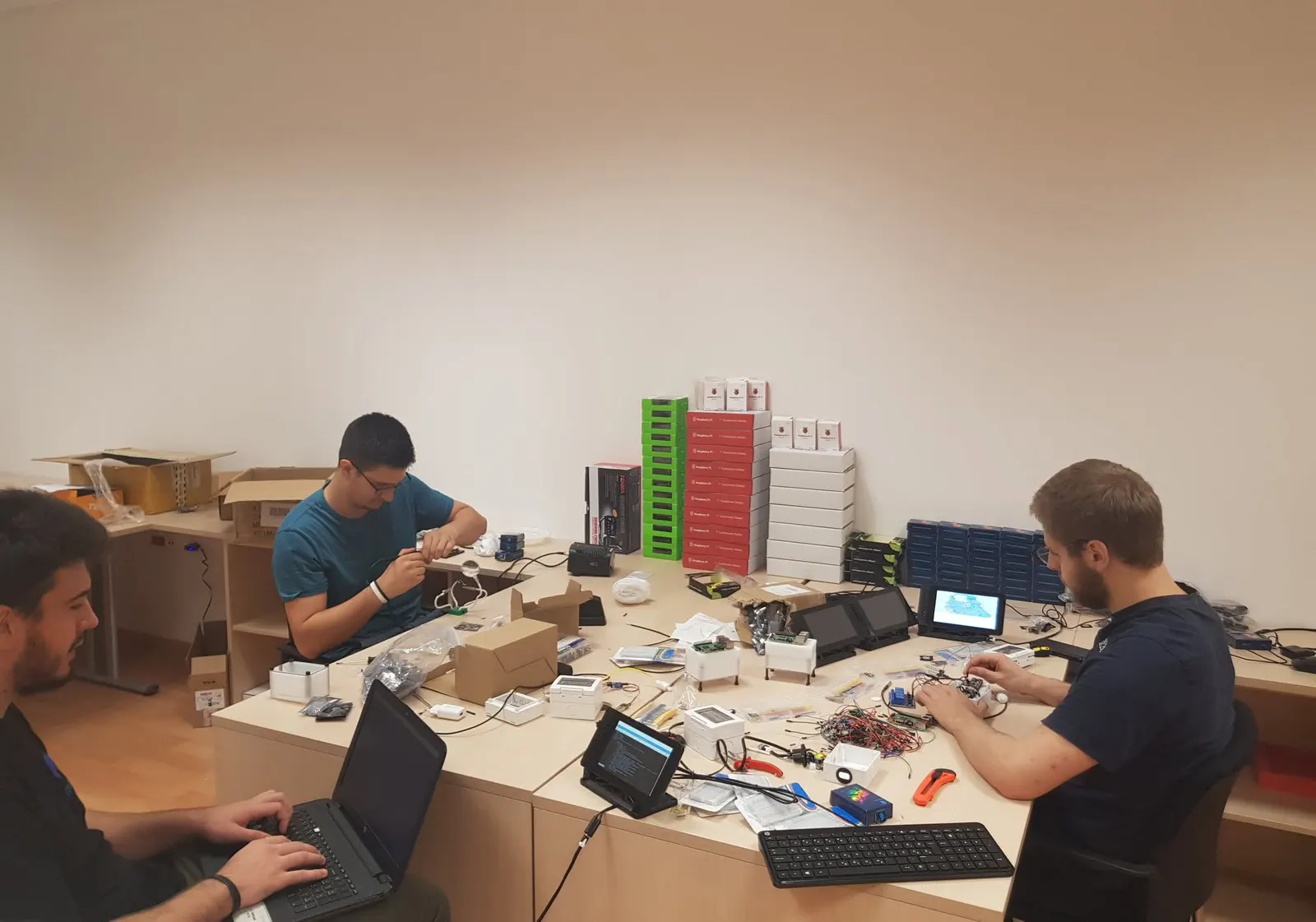
Photos
In the media
Klix.ba · 21 January 2018
Mostarski studenti kreirali sistem za praćenje učinkovitosti berača na plantažama
Students from Mostar built a system to track the productivity of pickers on plantations
Read the articleINTERA Technology Park
META 5, još jedna priča o uspješnom prvom koraku mladih u svijet tehnologije i poduzetništva
META5, another story of a successful first step by young people into technology and entrepreneurship
Read the articleWhat it taught me
- Building a product where hardware, a mobile app, a web application and a backend all have to agree with each other.
- Talking to real users on a plantation, not in an office.
- How a startup is pitched, incubated and funded.
It is also why I still build for real, messy conditions.